Explore Curapath's lipid and polymer-based solutions for non-viral drug and gene delivery.
Polymer nanoparticles (PNPs)
Polymer nanoparticles (PNPs) are highly adaptable non-viral delivery systems designed to transport nucleic acids and other therapeutic payloads. By combining tailored polymer architectures, formulation expertise, and scalable manufacturing, PNPs can be engineered to balance delivery performance, stability, and biocompatibility for a wide range of therapeutic applications.
What Are Polymer Nanoparticles?
Polymer nanoparticles (PNPs) are nanoscale delivery systems engineered from natural or synthetic polymers to carry and protect therapeutic payloads such as DNA, mRNA, and siRNA. Their composition can be tailored to control particle size, surface properties, stability, and intracellular release, supporting efficient delivery to specific cells and tissues while helping protect nucleic acids from degradation. Their versatility, adaptable loading capacity, and potential for favorable biocompatibility make them a promising platform for non-viral gene delivery across a wide range of payloads and therapeutic applications.
PNP formulation design depends on the nature of the payload, the intended site of action, and the route of administration. By optimizing polymer composition and formulation parameters, these systems can be tailored to balance nucleic acid complexation, cellular uptake, delivery efficiency, and biocompatibility. Key functional components, including ionizable or cationic polymers and shielding polymers such as polysarcosine (PSar), can further support delivery performance and formulation stability.
Ionizable Cationic Polymers
Ionizable and cationic polymers are essential components of nucleic acid delivery systems. Through electrostatic interactions, they form polyplexes that protect DNA and RNA from degradation and facilitate their transport into target cells. Their chemical structure can be tailored to optimize binding, biodegradability, and cellular interactions.
These polymers promote cellular uptake and intracellular trafficking, while their optimized structures can facilitate endosomal escape and nucleic acid release. This enables the genetic material to reach its target and exert its biological activity.
Shielding Polymers
Shielding polymers are used to modify the surface of polymer nanoparticles and polyplexes by creating a hydrophilic protective layer. This layer reduces surface charge exposure, minimizes non-specific biological interactions, and improves colloidal stability by preventing particle aggregation.
Additionally, shielding polymers influence protein adsorption, immune recognition, circulation behavior, and biocompatibility. Their properties can be tailored to the formulation and intended application, helping optimize the overall performance of nucleic acid delivery systems.
Curapath provides guidance throughout the development and formulation of polymer-based nucleic acid delivery systems, from polymer design and component selection to formulation optimization and manufacturing. Our expertise in ionizable, cationic, and shielding polymers, including polysarcosine (PSar), enables us to develop tailored solutions that balance nucleic acid complexation and intracellular delivery with colloidal stability and biocompatibility.
Through our formulation development capabilities and application-specific strategies, we support the optimization of delivery performance and the progression of polymer-based delivery systems toward manufacturing, ensuring that each formulation is adapted to the specific requirements of its payload and intended application.
Applications of Polymer Nanoparticles (PNPs)
Polymer nanoparticles offer a flexible approach to non-viral delivery, with formulation design adapted to the type of nucleic acid, target cells, and intended biological activity. Their modular chemistry supports the development of delivery systems for research, therapeutic development, and selected bioproduction applications.
DNA Delivery and Gene Expression
Polymer nanoparticles offer a flexible approach to non-viral delivery, with formulation design adapted to the type of nucleic acid, target cells, and intended biological activity. Their modular chemistry supports the development of delivery systems for research, therapeutic development, and selected bioproduction applications.
RNA Therapeutics
Polymeric carriers can be engineered to protect RNA molecules and facilitate intracellular delivery. Potential applications include mRNA-based therapeutics and RNA interference approaches, depending on the polymer architecture and formulation requirements.
Gene Editing
Polymer-based systems are being investigated for the delivery of nucleic acids and other components used in gene-editing technologies. Their modular design offers opportunities to tailor delivery properties to specific cellular targets and payload requirements.
Bioproduction and Cell Engineering
Efficient nucleic acid delivery can support cellular engineering and the production of recombinant proteins or viral vectors. Polymer selection and formulation optimization are important for balancing transfection performance, cell viability, and process requirements.
Drug Delivery & Medical Devices
Polymer nanoparticle platforms
Explore Curapath’s polymer-based technologies for nucleic acid delivery and drug encapsulation, from PEI polyplexes to shielded and biodegradable nanoparticle systems.
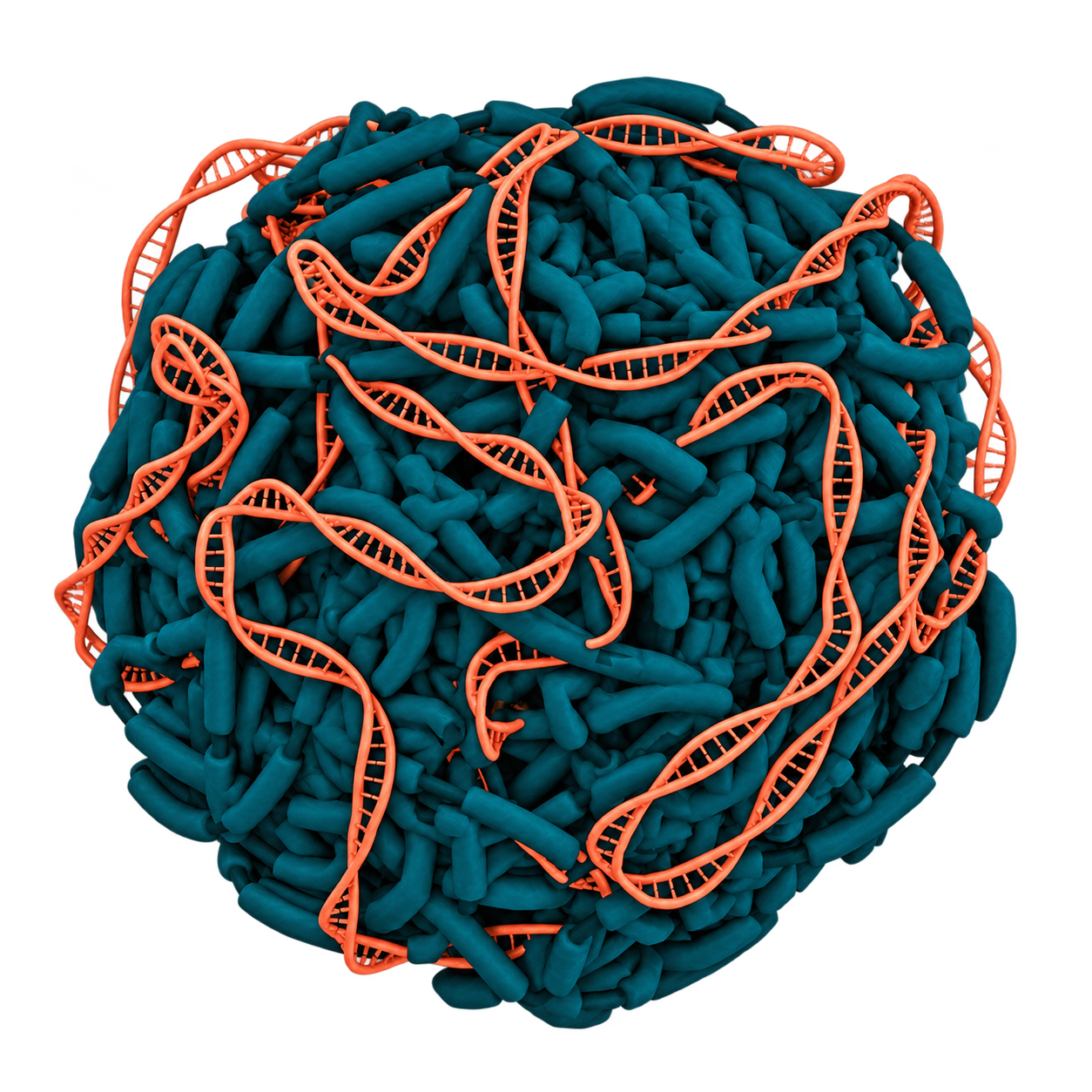
Curapath® PEI
Explore linear polyethylenimine hydrochloride for DNA complexation and transfection, available in research and GMP grades.
Discover Curapath® PEI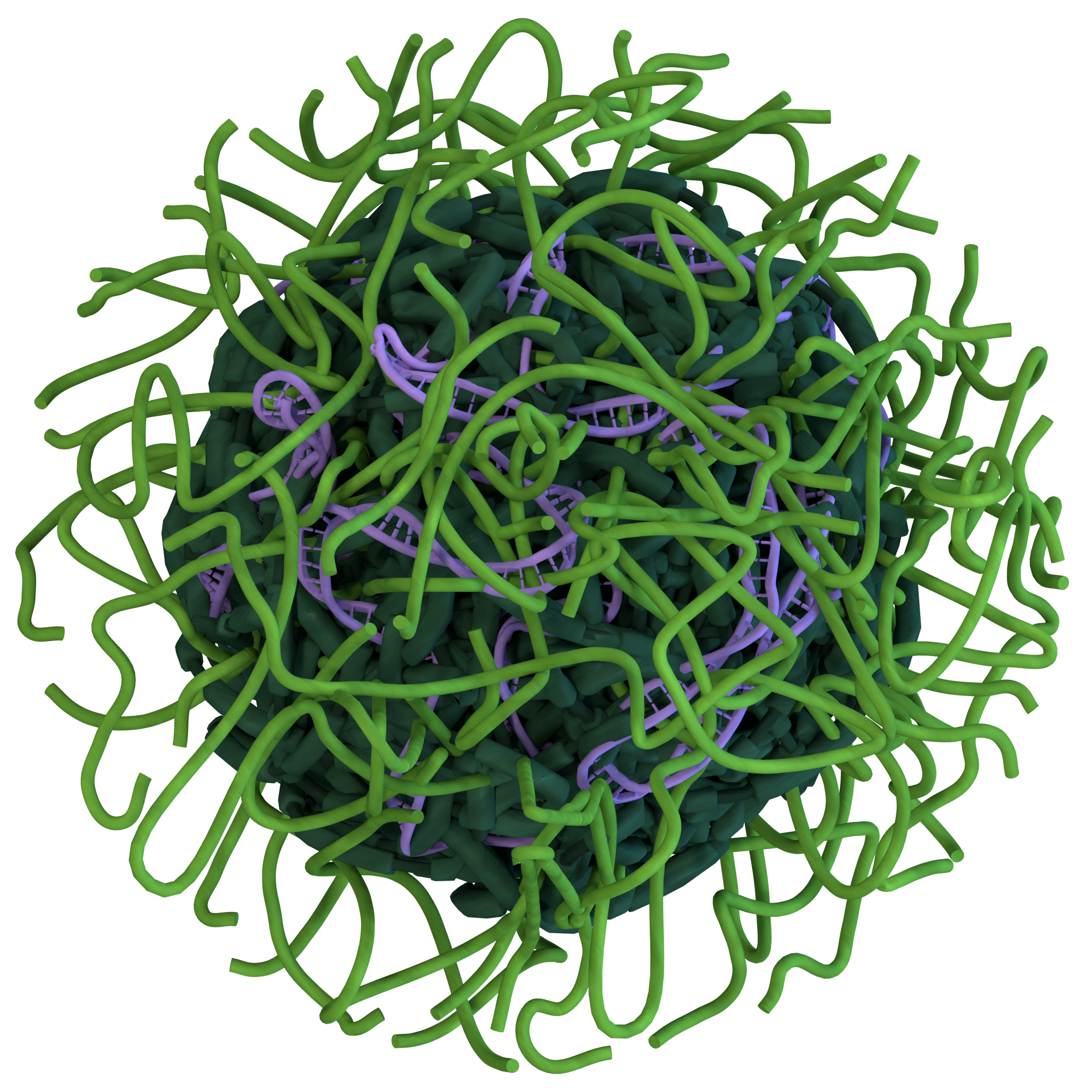
In vivo PEI + PSar
A PEI-based polyplex combined with polysarcosine shielding for evaluation in in vivo nucleic acid delivery.
Explore the platform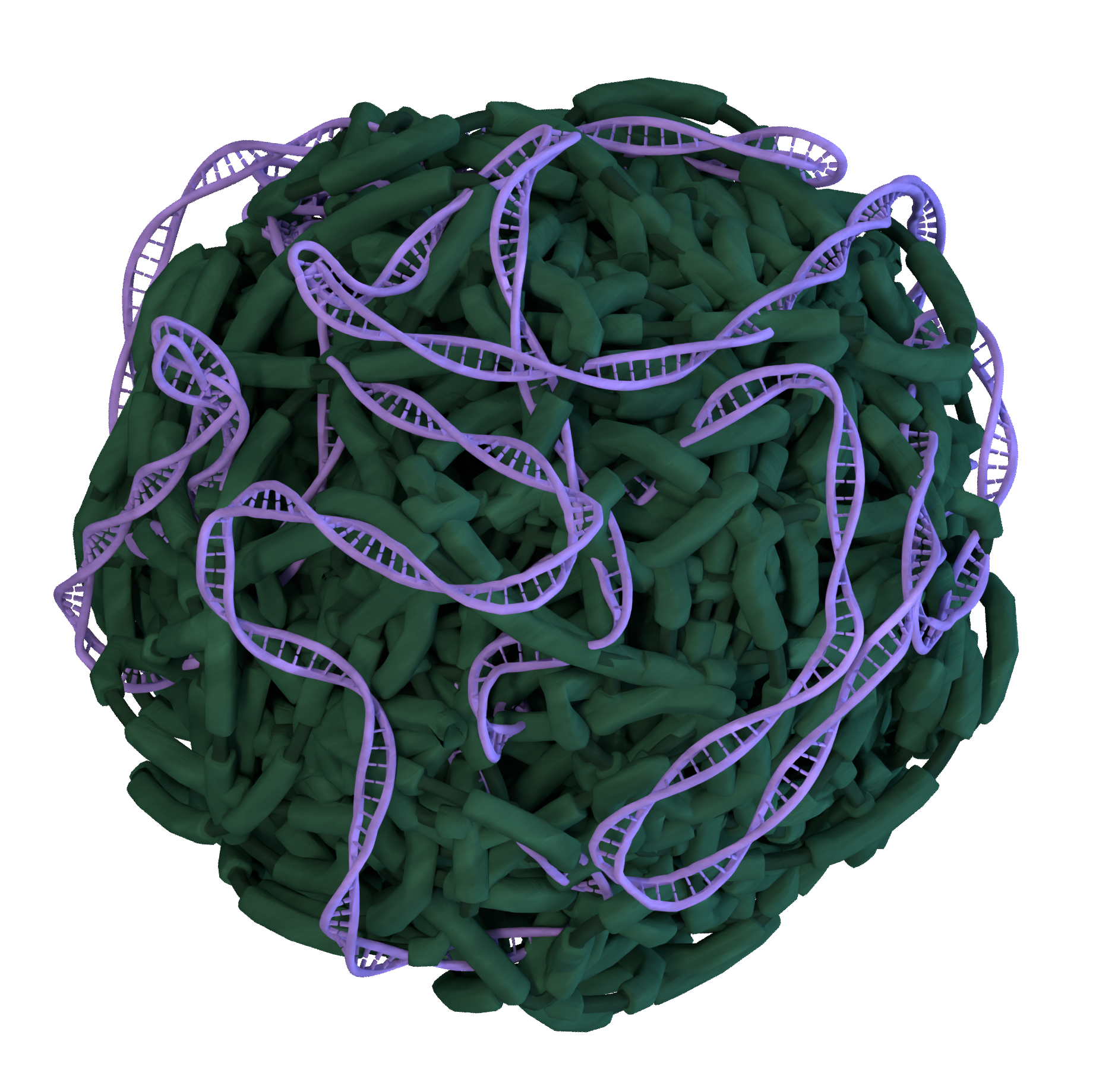
STAR-CXP
Discover star-shaped, biodegradable complexing polymers designed for DNA delivery and intracellular transport.
Explore STAR-CXP
PLGA nanoparticles
Explore PLA/PLGA nanoparticle formulation options for the encapsulation and delivery of peptides and small molecules.
Explore PLGA nanoparticlesChallenges in PNP Development and Curapath’s Approach
Nucleic Acid Complexation and Delivery: the challenge
Nucleic acids are negatively charged and do not readily cross cell membranes. Their delivery requires suitable carrier systems that can bind or encapsulate the payload, protect it from degradation, and facilitate cellular uptake and intracellular release.
Nucleic Acid Complexation and Delivery: our approach
Curapath develops and supplies functional polymer excipients designed to interact with nucleic acids. Through polymer selection, chemical design, and formulation screening, we help identify suitable complexing systems and optimize key parameters according to the payload and intended application.
Cellular Uptake and Endosomal Escape: the challenge
Following cellular uptake, many delivery systems become trapped in endosomal compartments, limiting the amount of nucleic acid that reaches its intended intracellular destination. Polymer chemistry can influence cellular interactions, intracellular trafficking, and endosomal escape.
Cellular Uptake and Endosomal Escape: our approach
We leverage tunable polymer architectures and formulation development strategies to evaluate how polymer composition, ionizable functionality, and complexation conditions influence delivery performance. The objective is to identify formulations that support effective intracellular delivery while maintaining an appropriate biocompatibility profile.
Biocompatibility and Tolerability: the challenge
Strong interactions between cationic polymers and biological membranes can contribute to cytotoxicity and unwanted biological responses. Reducing these effects without compromising nucleic acid delivery remains a central challenge in polymer-based systems.
Biocompatibility and Tolerability: our approach
Curapath’s polymer toolbox combines complexing polymers with shielding strategies designed to modulate particle surface properties. By evaluating polymer composition and the balance between complexation and shielding, we support the development of formulations intended to improve tolerability while retaining delivery performance.
Particle Stability and Non-Specific Interactions: the challenge
Nanoparticle aggregation, interactions with biological components, and changes in particle properties can affect formulation stability, biodistribution, and reproducibility.
Particle Stability and Non-Specific Interactions: our approach
We support formulation optimization through the selection of suitable polymer components and the evaluation of critical physicochemical properties. Shielding polymers and tailored polymer architectures can be investigated to help control surface interactions and improve colloidal stability.
Scalability and Reproducibility: the challenge
A formulation that performs well at laboratory scale may require further optimization to maintain consistent particle properties and product quality during process development and scale-up.
Scalability and Reproducibility: our approach
Curapath provides nanoparticle formulation development, analytical characterization, process development, and scale-up support. Our development approach connects formulation performance with process parameters and critical quality attributes to help establish reproducible, scalable manufacturing strategies.
Payload-Specific Polymer Design: the challenge
DNA, mRNA, siRNA, and gene-editing payloads differ in size, structure, stability, and biological requirements. A single polymer architecture or formulation strategy may not be suitable for every application.
Payload-Specific Polymer Design: our approach
We tailor polymer and formulation selection to the requirements of each program, considering the payload, target cells, intended route of administration, and desired performance. Our polymer synthesis and formulation capabilities enable systematic evaluation of different material architectures and functional components.
Polymer Nanoparticle Development Expertise
Polymer Design & Synthesis
Curapath has a strong foundation in polymer science, supporting the development and customization of functional polymer excipients for advanced drug and nucleic acid delivery applications. Our expertise includes poly(amino acid)-based materials, polyglutamate-derived polymers, shielding polymers such as polysarcosine (PSar), and other functional polymer platforms that can be tailored to specific formulation and delivery requirements. Through polymer design and material selection, we help identify solutions that balance nucleic acid complexation, stability, biodegradability, and biocompatibility according to the needs of each program.
Nanoparticle Formulation Development
The successful development of polymer nanoparticles requires careful optimization of both material selection and formulation parameters. Curapath supports the design and development of polymer-based delivery systems through formulation screening, polymer-to-payload ratio optimization, polyplex formation strategies, and the integration of shielding technologies. Our approach focuses on generating nanoparticle systems with physicochemical properties and delivery profiles adapted to the intended payload, target cells, and therapeutic application.
Analytical Characterization
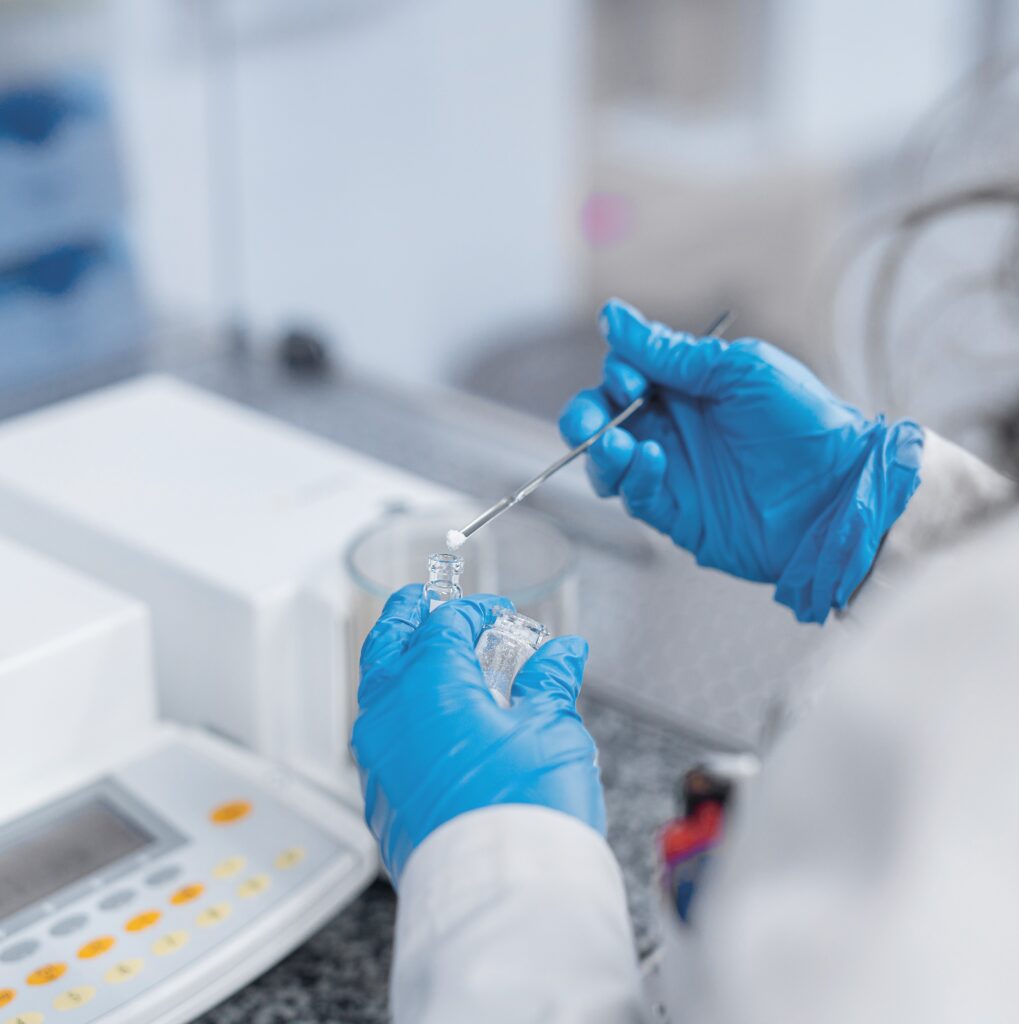
Comprehensive characterization is essential to understand polymer nanoparticle performance, guide formulation optimization, and establish product quality attributes. Curapath supports the evaluation of critical physicochemical characteristics, including particle size and distribution, surface charge, payload association, colloidal stability, and other parameters relevant to formulation quality and performance. These studies provide the data needed to support formulation refinement, process development, and technology transfer activities.
GMP Manufacturing, Scale Up & CMC Support
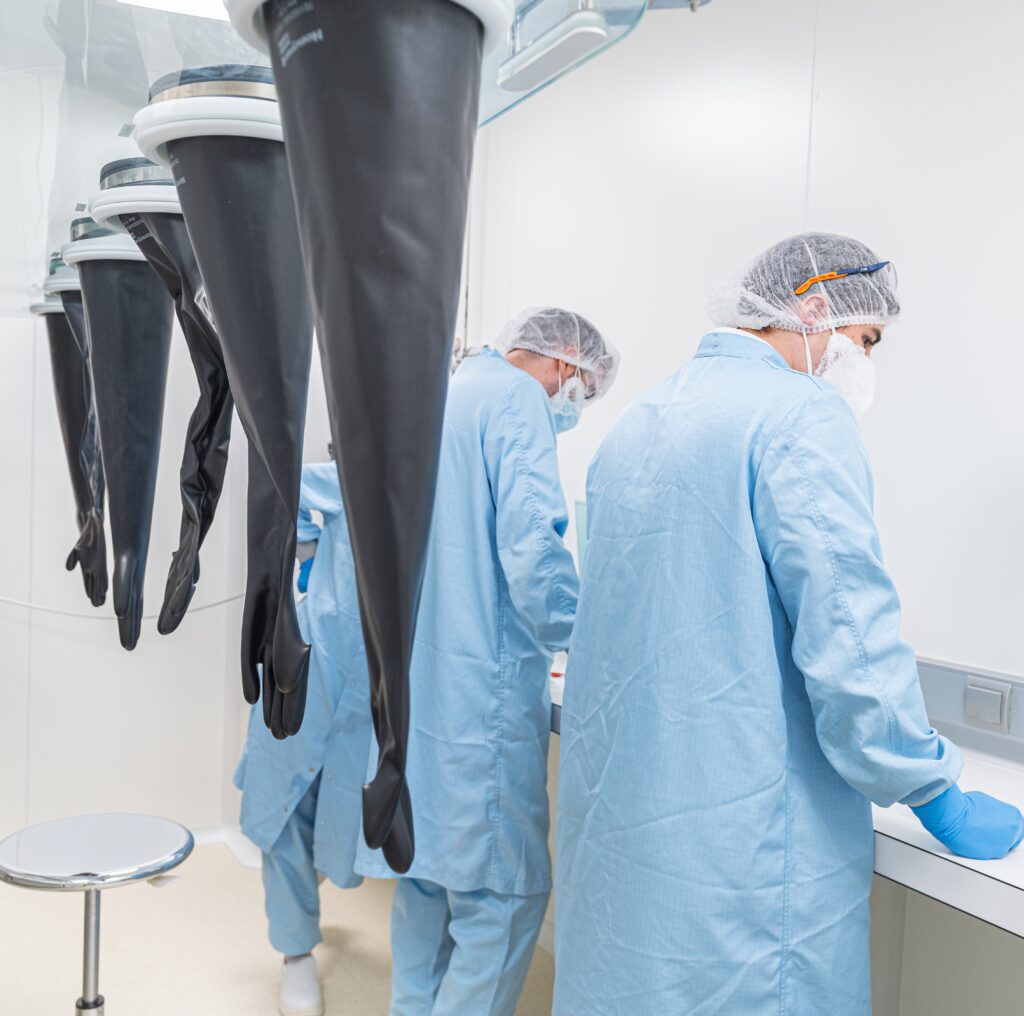
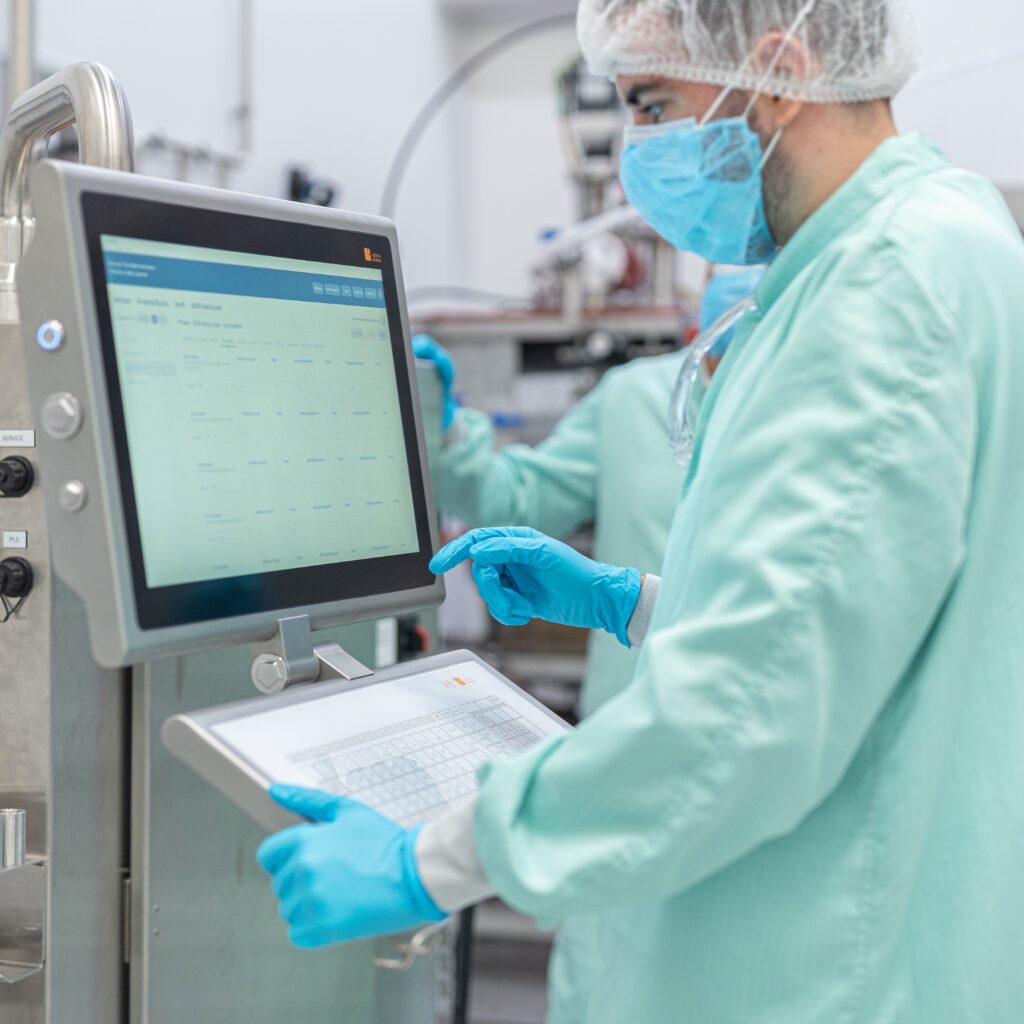
As development programs progress toward clinical and commercial milestones, Curapath provides integrated support spanning process optimization, scale-up, manufacturing readiness, and GMP production. Our CDMO capabilities connect formulation development with scalable manufacturing strategies, helping ensure reproducibility, technology transfer, and alignment with project-specific regulatory and CMC requirements. This integrated approach supports the advancement of polymer nanoparticle programs from early-stage development through clinical and commercial manufacturing.
Tailored Solutions for Every Program
Every payload presents unique technical and biological challenges. Curapath works closely with partners to develop customized strategies based on the specific characteristics of the nucleic acid or therapeutic cargo, target indication, route of administration, and development objectives. By combining polymer expertise, formulation development, analytical support, and manufacturing capabilities, we help establish polymer nanoparticle solutions aligned with the requirements of each program.
PNP Resources
Formulation Development Services
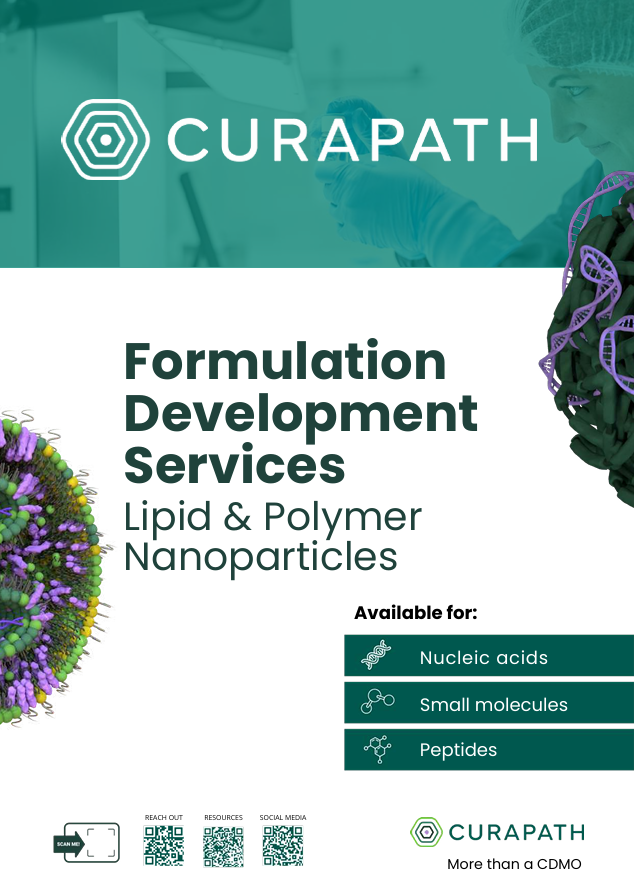
Discover Curapath’s Essential, Advanced, and Expert formulation packages for LNP & PNP systems, flexible, cost-effective solutions for drug delivery development.
Polymer Nanoparticles Case Study
Development of a Highly Efficient, Biodegradable, Polymeric, Non-viral Vector (NVV) Platform for Nucleic Acid Delivery
Cys Bioconjugation Brochure
Optimized Methods Towards Site-selective Cysteine Specific Bioconjugations for Therapeutic Delivery
GMP Manufacturing of a Polymer Drug Conjugate
Discover how next-generation Polymer Drug Conjugates improve drug performance, enhance tissue targeting, and accelerate therapeutic development through customizable polymers, controlled conjugation, and scalable GMP manufacturing.
Frequently Asked Questions
How do polymer nanoparticles deliver nucleic acids?
Polymer nanoparticles use ionizable or cationic polymers to bind negatively charged nucleic acids through electrostatic interactions, forming polymer-nucleic acid complexes known as polyplexes. These complexes help protect the payload from degradation, promote cellular uptake, and support intracellular release once inside the target cell.
What types of nucleic acid payloads can be delivered using PNPs?
PNPs can be designed to deliver a variety of nucleic acid payloads, including plasmid DNA, messenger RNA (mRNA), small interfering RNA (siRNA), antisense oligonucleotides (ASOs), and gene-editing cargo. Formulation strategies can be adapted to the specific size, structure, and delivery requirements of each payload.
What are the advantages of polymer nanoparticles compared to viral delivery systems?
Polymer nanoparticles provide a non-viral delivery approach with highly tunable material properties, flexible formulation design, and scalable manufacturing potential. Their modular nature allows formulations to be tailored to different payloads and therapeutic applications while avoiding the use of viral vectors.
Are polymer nanoparticles an alternative to lipid nanoparticles (LNPs)?
Polymer nanoparticles an lipid nanoparticles (LNPs) are complementary delivery platforms rather than direct alternatives. The most suitable technology depends on the payload, target tissue, route of administration, and therapeutic objectives. Polymer nanoparticles offer additional flexibility through polymer design, functionalization, and surface engineering strategies.
Why are PEG-free polymer nanoparticles gaining interest?
PEG-free polymer nanoparticles are attracting increasing interest due to the emergence of alternative shielding polymers such as polysarcosine (PSar). These materials can provide stealth-like properties, reduce protein adsorption, enhance biocompatibility, and support improved delivery performance without relying on PEG-based materials.
Which polymers are commonly used in polymer nanoparticle formulations?
A wide range of polymers can be used in PNP formulations, including poly(amino acid)-based materials, polyethylenimine (PEI), polyglutamates, polysarcosine (PSar), and other ionizable or cationic polymers. The choice of polymer depends on the payload, application, delivery requirements, and desired biological performance.
How can polymer nanoparticles improve targeted delivery?
Polymer nanoparticles can be engineered through polymer selection, surface modification, shielding strategies, and the incorporation of targeting ligands. These approaches can influence biodistribution, cellular uptake, and tissue-specific delivery, enabling more precise delivery systems for advanced therapeutic applications.