
Polysarcosine (pSar)
Polysarcosine (pSar) for PEG-free drug delivery, protein conjugation and nanoparticle formulation. Research and GMP grades available.

About the Polysarcosine
Polysarcosine is a polypeptoid derived from N‑methylglycine (sarcosine). Its N‑methyl substitution prevents backbone hydrogen bonding, giving the polymer a highly hydrophilic, non‑ionic, and stealth‑like character.PSar resists protein adsorption and immune recognition, behaving similarly to PEG but with improved biocompatibility and lower immunogenicity.
The unique properties of Polysarcosine enable the design of long-circulating drug delivery systems with improved stability and pharmacokinetics. Its versatile chemistry supports the conjugation of drugs, proteins, peptides and targeting ligands, allowing the development of PEG-free polymer therapeutics and functional nanomedicines.
It is widely used in nanoparticle formulation, polymer-drug conjugates, protein modification and targeted delivery systems, supporting the development of safer and more effective therapeutics.
Uses of Polysarcosine (pSar)
Polysarcosine is one of the most promising alternatives to PEGylation (pSarylation) for improving the pharmacokinetic profile of therapeutics. Its hydrophilic, non-ionic structure enhances solubility and circulation time while reducing the limitations commonly associated with PEG-based systems.Yo can learn more about the pSar here.
Stealth Polymer
Polysarcosine is widely used as a stealth polymer in lipid and polymeric nanoparticles to reduce protein adsorption and minimize recognition by the mononuclear phagocyte system. These properties help prolong circulation and improve in vivo delivery performance.
Protein & Drug Conjugation
Polysarcosine can be conjugated to proteins, peptides, antibodies and small molecules to improve solubility, stability and pharmacokinetics. Its biocompatibility and stealth properties make it an attractive polymer for next-generation bioconjugates.
PEG-Free Drug Delivery
Polysarcosine enables the development of PEG-free drug delivery systems for nanoparticles, polymer therapeutics and biologics. Its excellent biocompatibility and stealth behavior support the design of safer delivery platforms for advanced therapeutic applications.
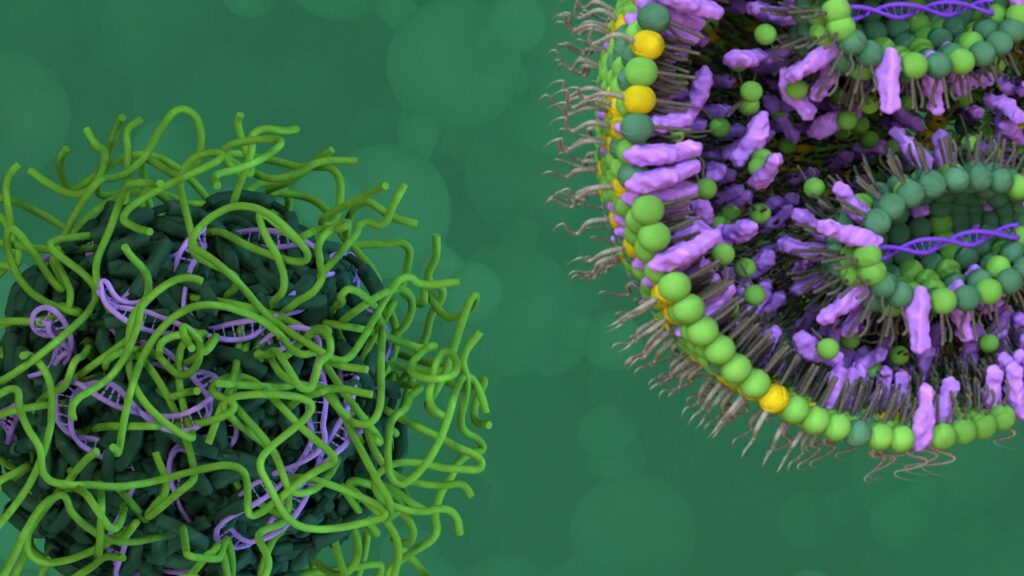
PEG-free nanoparticles
We have develop a wide portfolio of Shielding lipids for lipid nanoparticles, including polySarcosine based options. With more than 50 alternative compounds our portfolio can cover, stability, lyophilization or targeting needs of your non viral delivery systems
Formats Available
Degree of polymerization

In curapath we have a deep control over the polymerization, being able to achive a wide range of molecular weights, our standar offer includes :
- pSar-70
- pSar-140
- pSar-200
- High molecular weight Polysarcosine
- Custom formats
Quality Levels
R&D Grade Polyarginine
Ideal for early-stage research, formulation development and proof-of-concept studies. Manufactured under rigorous quality standards with comprehensive analytical characterization for reproducible research.
GMP Grade Polyarginine
Manufactured under GMP conditions for clinical and commercial applications. Supported by validated quality systems, batch traceability, regulatory documentation and scalable production.
Product request
Related products



Frequently asked questions (FAQs)
What is Curapath
Curapath is a European Contract Development and Manufacturing Organization (CDMO) specialized in non-viral drug delivery systems. We support biotech and pharmaceutical companies from early development through GMP-ready and commercial manufacturing, combining proprietary delivery components, in-house technologies, and deep expertise in complex formulation and CMC development.
What is pSarylation?
pSarylation is the covalent conjugation of Polysarcosine to therapeutic molecules such as proteins, peptides, antibodies or nanoparticles. Similar to PEGylation, pSarylation enhances solubility, stability and circulation time while offering a PEG-free approach to improving the pharmacokinetic profile of therapeutics.
Polysarcosine provides stealth properties comparable to PEG while offering a biodegradable polyamino acid backbone. It reduces non-specific protein adsorption and supports prolonged circulation, making it an attractive option for next-generation PEG-free drug delivery systems.
Can Curapath produce high molecular weight Polysarcosine?
Yes. Curapath can synthesize Polysarcosine across a broad range of molecular weights, including high molecular weight grades, with precise control over polymer characteristics to meet the requirements of advanced pharmaceutical applications.
Can Polysarcosine be custom functionalized?
Yes. Polysarcosine can be synthesized with tailored molecular weights and functionalized with reactive groups, targeting ligands or therapeutic payloads to support bioconjugation, nanoparticle formulation and advanced drug delivery applications.
Is GMP-grade Polysarcosine available?
Yes. Curapath offers Polysarcosine in research and GMP grades, supported by scalable manufacturing, robust quality systems and regulatory documentation for clinical and commercial development.
Why choose Curapath as your Polysarcosine supplier?
Curapath combines proprietary polymer synthesis, custom functionalization and GMP manufacturing within a single CDMO. From tailored molecular weights and pSarylation to scalable production, we support the complete development of next-generation Polysarcosine-based therapeutics.
