Targeted Lipid Nanoparticles (tLNPs) for Extrahepatic RNA Delivery

Engineered LNP platforms designed for cell-specific RNA delivery using advanced surface functionalization, PEG-free shielding lipids, and hydrophilic conjugation chemistries.
What Is Active Targeting in Lipid Nanoparticles?

Active targeting is a strategy that conjugates LNPs with ligands like  antibodies, peptides, or small molecules that bind specific receptors on defined cell populations or target organs. This receptor-mediated interaction enables nanoparticles to reach extrahepatic tissues such as T cells, lung epithelium, and the CNS, overcoming the natural biodistribution profile of LNPs, which strongly favors hepatic uptake.

LNPs are highly efficient carriers for RNA and gene editing payloads, but their innate liver tropism, driven by apolipoprotein adsorption and protein corona formation, limits their reach to other tissues. As next generation therapies move toward precision, delivery is no longer about reaching an organ, it is about engaging the right cells within complex tissues.

Active targeting provides this level of specificity by directing LNPs toward their intended biological destination. However, ligand choice alone is not enough. Targeting performance is equally shaped by how ligands are attached and displayed on the LNP surface, through controlled, stable, and hydrophilic chemistries that preserve accessibility, stability, and biological function.

Want to know more?

Active Targeting remains one of the biggest challenges in the LNP space.To know more about this topic you can visit our blog 

Key Components of Targeted LNP Design

Targeted lipid nanoparticles rely on multiple interconnected design elements that define how nanoparticles interact with biological systems, circulate in vivo, and engage specific cell populations.

Shielding lipids, conjugation chemistry, and targeting ligands together determine targeting efficiency, stability, and overall biological performance.

Shielding lipids

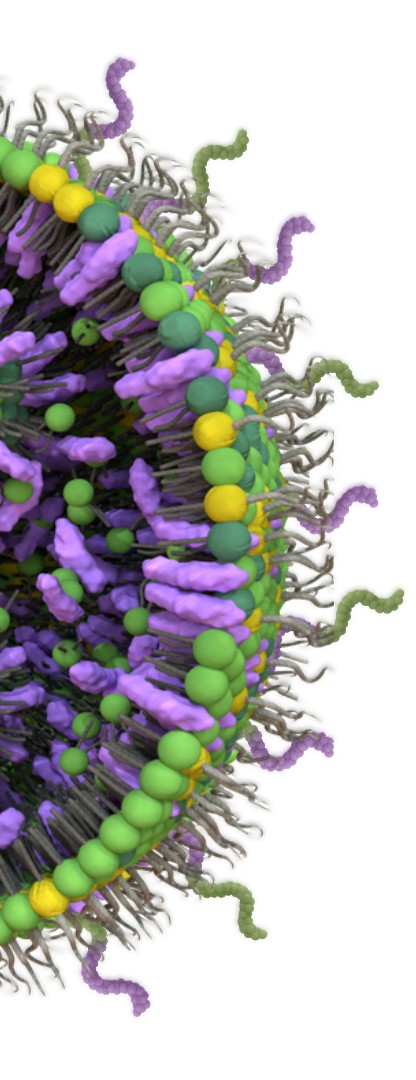
In LNPs, shielding lipids (PEG or PSar) form the outer corona, modulating protein adsorption, circulation time, and how ligands are displayed on the surface.

in curapath we have developed propietary PEG-Free shielding lipids specilly designed for improved nanoparticle performance 

clicr - 1

Conjugation chemistry

The chemistry used to attach ligands must preserve LNP size, PDI, encapsulation efficiency, and colloidal stability while enabling controlled ligand density and orientation.

We have a strategic collaboration with Cristal therapeutics to use CliCr® in our LNP formulations        

Targeting ligands

Antibodies, peptides, or small molecules that bind specific receptors. Their accessibility and functionality depend on the surrounding lipid environment and the stability of the linkage.

Applications of Targeted LNPs

WHAT IS A LIPID NANOPARTICLE?

Targeted lipid nanoparticles are enabling the next generation of extrahepatic RNA therapeutics by improving tissue specificity, cellular uptake, and delivery precision across multiple therapeutic areas.

Achieving these applications requires more than ligand selection alone. Surface functionalization, conjugation chemistry, and nanoparticle architecture all play a critical role in determining targeting efficiency and in vivo performance.

In Vivo CAR T and Immune Cell Engineering

Active targeting enhances the interaction between nanoparticles and T cells, enabling efficient genetic modification for in vivo CAR‑T therapies. This supports scalable, non‑viral immune‑cell engineering.

Lung Targeted RNA Therapeutics

Ligand‑mediated targeting improves deposition and uptake in airway and endothelial cells, addressing the challenge of broad biodistribution and enabling more effective pulmonary delivery.

CNS Delivery

Receptor‑mediated transport allows LNPs to cross the blood–brain barrier and deliver RNA or gene‑editing tools to neural tissues, supporting therapies for neurodegenerative and genetic CNS disorders.

Oncology

Targeted nanoparticles must discriminate between malignant and healthy cells within the tumor microenvironment. Controlled ligand density and orientation improve tumor penetration and reduce off‑target exposure.

Challenges in Targeted Lipid Nanoparticle Design

While active targeting offers significant advantages for extrahepatic RNA delivery, achieving reliable and reproducible targeting remains a major challenge. Biological barriers, protein corona formation, ligand accessibility, and nanoparticle stability can all impact targeting efficiency and in vivo performance.

pandas

Protein Corona Masking

Serum proteins rapidly adsorb onto LNPs, potentially masking ligands and altering biodistribution.

Ligand Accessibility

Dense shielding layers or hydrophobic linkers can hinder receptor binding and reduce targeting efficiency.

Physiological Barriers

Tissues such as the lung, CNS, and tumors present complex biological barriers that limit nanoparticle penetration and uptake.

Conjugation Instability

Traditional conjugation chemistries may introduce hydrophobic stress, aggregation, or unstable linkages.

Inter-Patient Variability

Differences in protein corona composition and receptor expression can affect targeting reproducibility.


Manufacturing Challenges

Maintaining ligand density, nanoparticle integrity, and batch-to-batch consistency remains critical for translational development.
Enabling Active Targeting: Advanced Conjugation Technologies

WHAT IS A LIPID NANOPARTICLE?

Targeted LNPs require more than ligand selection alone. Surface functionalization and conjugation chemistry play a critical role in preserving ligand accessibility, nanoparticle stability, and targeting performance.

At Curapath, we support targeted LNP development through advanced surface functionalization strategies, including hydrophilic CliCr® conjugation technologies designed to enable efficient ligand attachment while preserving nanoparticle integrity and formulation performance. We can also work with more conventional conjugation approaches commonly used in the field, including DBCO, TCO, and related bioorthogonal chemistries, depending on the targeting strategy and project requirements.


What makes CliCr® different

CliCr® Conjugation technology

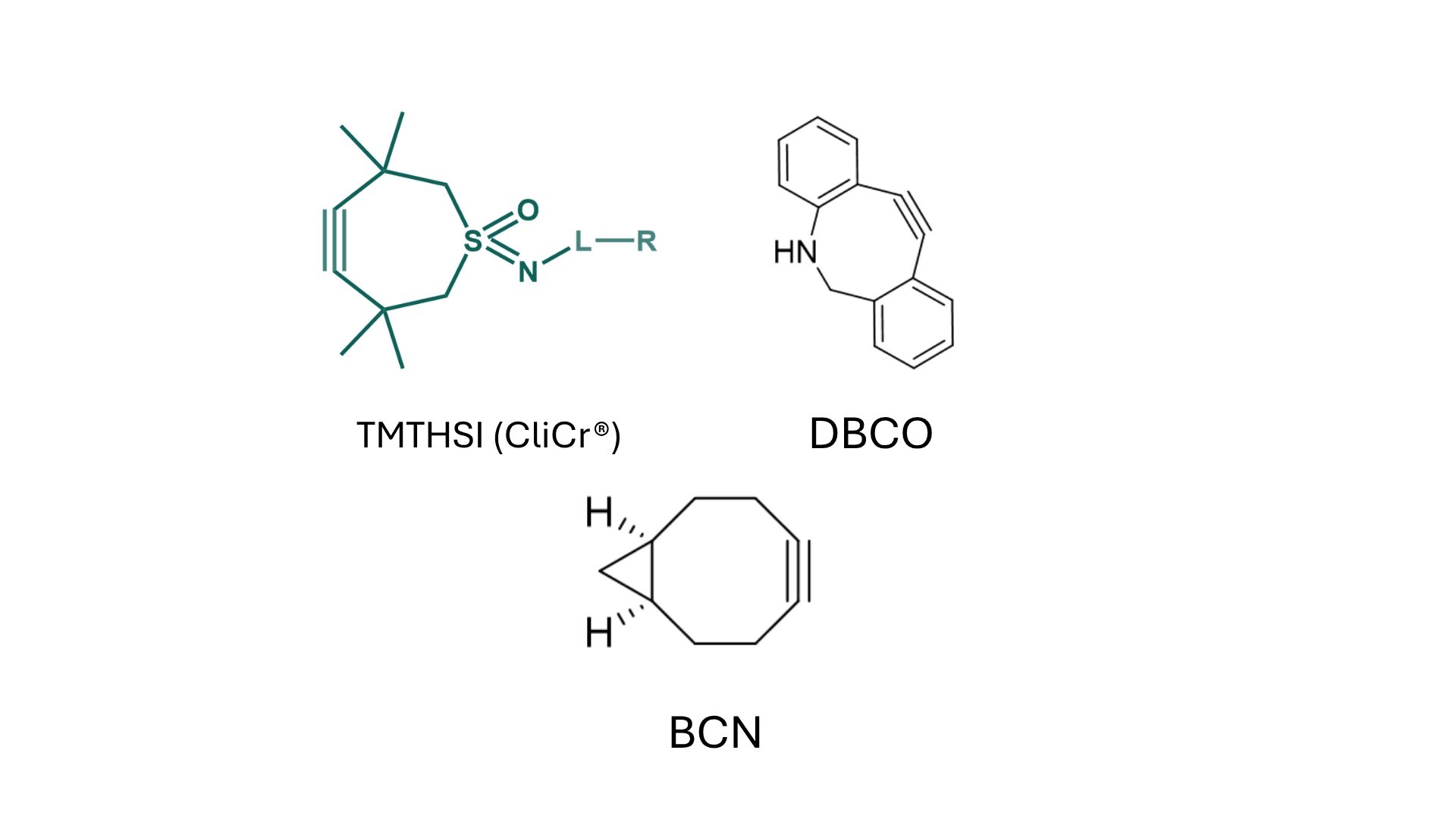
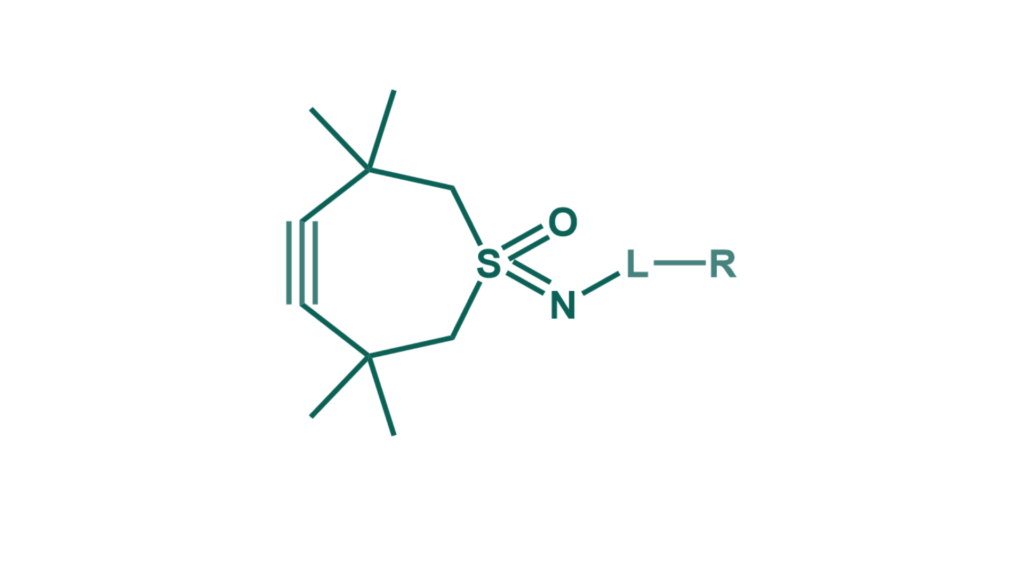
CliCr® is based on TMTHSI, a proprietary strained alkyne engineered for copper-free click chemistry. Unlike conventional click reagents that are typically hydrophobic and slow-reacting, TMTHSI combines high reactivity with strong water compatibility, making it particularly suited to nanoparticle functionalization.

Fast kinetics and high yields

Even with labile biomolecules, enabling shorter reaction times.

Improved hydrophilicity

enhancing compatibility with aqueous nanoparticle systems and reducing unwanted interactions.

Small molecular footprint

minimizing steric hindrance and preserving ligand functionality.

Stable, irreversible conjugation,

 yielding robust bioconjugates suitable for in vivo use and long-term storage

Performance vs conventional click chemistries

Compared to widely used copper-free reagents such as DBCO and BCN, TMTHSI‑based CliCr® reagents exhibit significantly higher reaction rates and better water solubility, as demonstrated in head‑to‑head comparative studies.

At the formulation level, this translates into, tunable ligand density on the nanoparticle Surface and reduced processing time while maintaining critical quality attributes.


comparative between different click chemistries

End-to-End Targeted LNP Development Workflow

Screening & Optimization

We support targeted LNP development through formulation screening and optimization strategies designed to evaluate different ligands, conjugation approaches, and formulation parameters. Ligand selection, ligand density, shielding lipid composition, and formulation ratios can all be optimized to improve targeting efficiency and nanoparticle performance.

Clinical Development and GMP Manufacturing Services

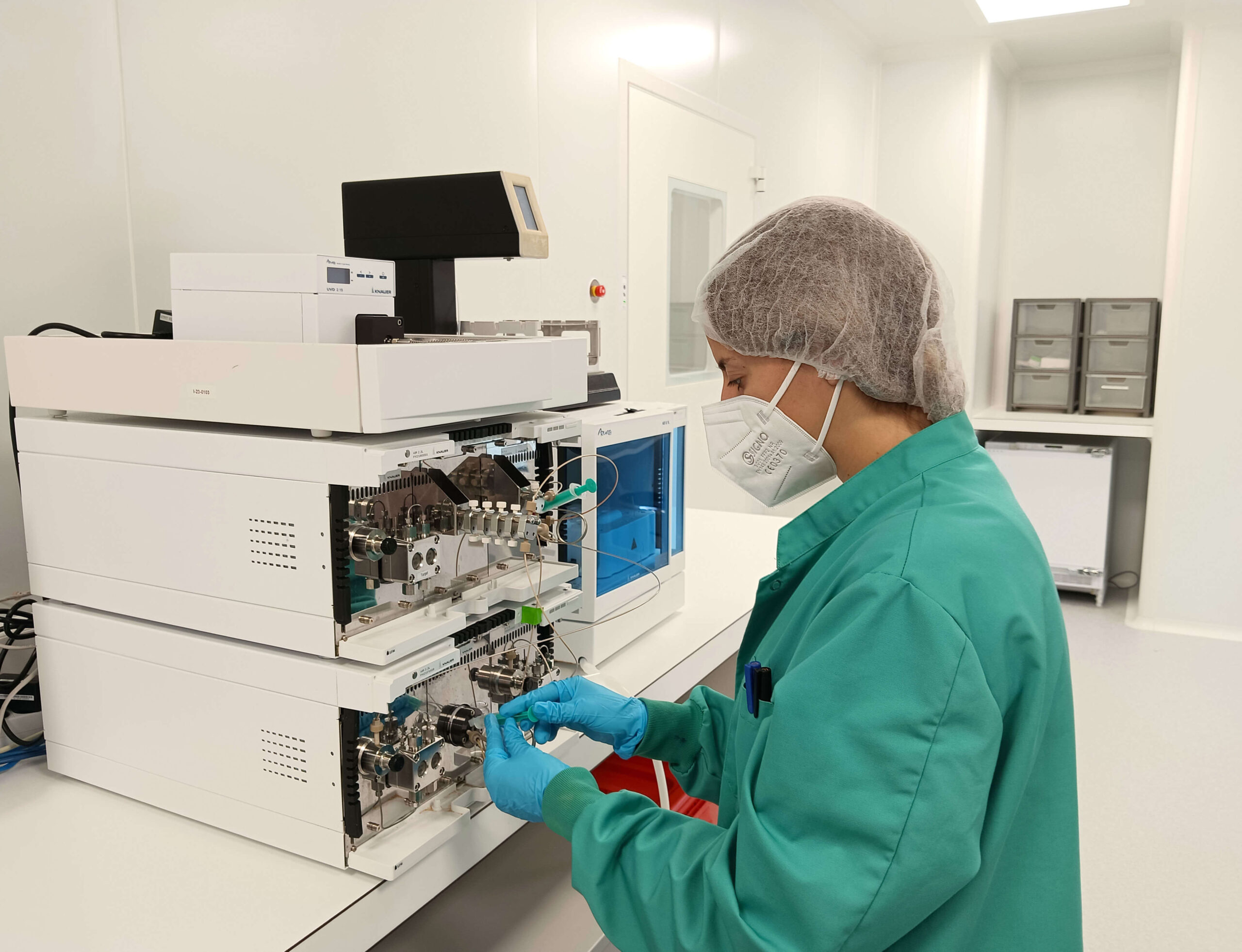
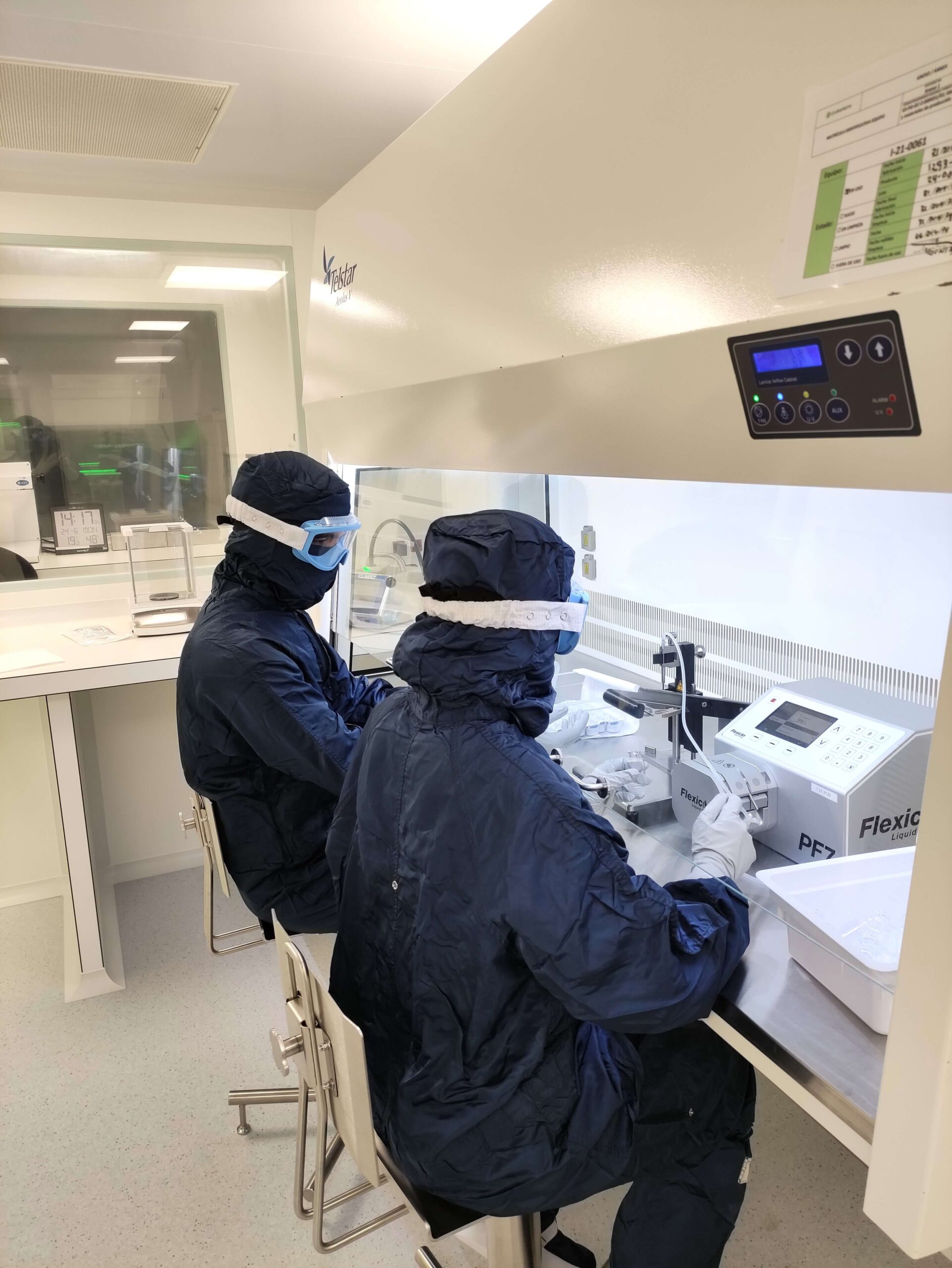
Research scientist working on lipid nanoparticle formulation

Targeted LNP Formulation

Once the targeting strategy is defined, LNP formulations are developed and optimized to achieve the desired physicochemical properties, encapsulation efficiency, and delivery performance for RNA and gene editing payloads.

At Curapath we support formulation development that is tailored to the specific therapeutic application, enabling the design of LNP systems with controlled size, charge and delivery performance.

Commercial supply of polymer and lipid excipients and nanoparticle formulations

Polysarcosine-based excipient development

Surface Functionalization

LNPs can be functionalized with antibodies, peptides, aptamers, or custom ligands using advanced conjugation chemistries including DBCO, TCO, azide-based, or CliCr®

Analytics

Targeted LNPs are characterized using advanced analytical workflows to evaluate critical quality attributes including particle size, PDI, encapsulation efficiency, ligand conjugation, colloidal stability, and overall formulation integrity.

Careful control of formulation parameters ensures that LNP systems maintain their physicochemical properties during storage and handling.

Aseptic fill and finish process under GMP conditions

Scale-Up & GMP Manufacturing

Targeted LNP development is performed with scalability and translational manufacturing in mind from early stages of development. Curapath supports process scale-up and GMP manufacturing of targeted LNP formulations for preclinical and clinical applications.

tLNP resources

Frequently Asked Questions

What criteria are used to select an optimal ligand for a specific cell type or tissue?

Layer 1 Layer 1

Efficacy is typically assessed through biodistribution analysis, receptor‑specific uptake, and functional readouts such as protein expression or gene editing efficiency in vivo. Learn more about preclinical evaluation.

Techniques such as HPLC, mass spectrometry, fluorescence quantification, and ligand‑specific immunoassays are commonly used to determine ligand density with precision. See ligand quantification.

Yes. Stimuli‑responsive lipids or ligands that trigger rapid internalization can be integrated to achieve both targeted delivery and controlled intracellular release. Read about controlled release strategies.

CliCr® is designed as a plug‑and‑play conjugation platform that fits seamlessly into standard LNP formulation processes, whether through pre‑functionalized shielding lipids or post‑formulation conjugation under mild aqueous conditions

Yes. Curapath provides end‑to‑end support—from conjugation chemistry and lipid supply to formulation development and scale‑up—ensuring a smooth transition into GMP manufacturing.

CliCr® is compatible with antibodies, antibody fragments, peptides, aptamers, and small‑molecule ligands, enabling broad flexibility in designing targeted LNPs for diverse therapeutic applications. You can browse Curapath’s broader conjugation and lipid solutions in their product and technology portfolio.

FRequeltly asked questions Curapath