Shielding Lipids
Advanced PEG-free shielding lipids engineered to enhance LNP stability, biodistribution, and in vivo performance while enabling repeat dosing and targeted RNA delivery.
What are Shielding Lipids?
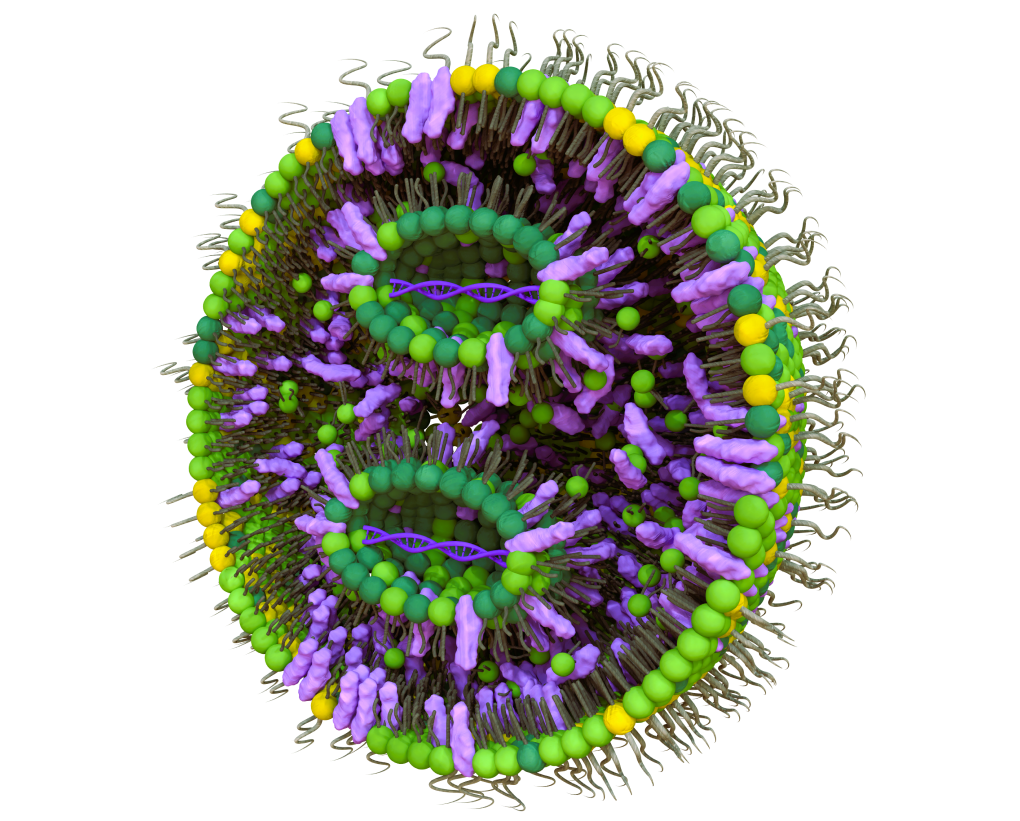
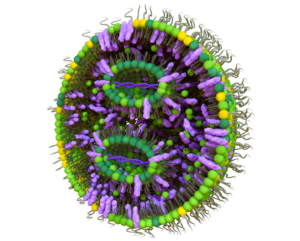
Shielding lipids are essential components of lipid nanoparticles (LNPs), creating a protective hydrophilic interface between the nanoparticle and its biological environment. Although they represent only a small fraction of the formulation, they play a critical role in controlling particle size, colloidal stability, circulation time, and overall delivery performance. By reducing protein adsorption, opsonization, and immune recognition, shielding lipids help prevent rapid clearance by the reticuloendothelial system, enabling LNPs to remain in circulation and efficiently deliver their therapeutic cargo.
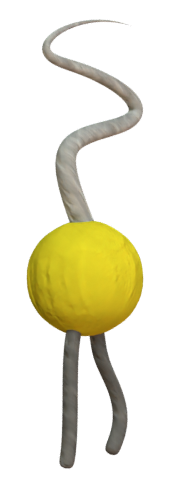
Polymeric Shielding Lipids
Prevents non-specific protein absorption, particle aggregation and controls LNP size

Polymeric Shielding Lipids
Enable RNA encapsulation and endosomal escape
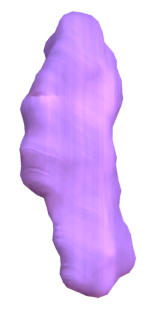
Polymeric Shielding Lipids
Increase circulation time
Key contributions of Shielding Lipids?
Shielding lipids are essential components of lipid nanoparticles (LNPs), creating a protective hydrophilic interface between the nanoparticle and its biological environment. Although they represent only a small fraction of the formulation, they play a critical role in controlling particle size, colloidal stability, circulation time, and overall delivery performance. By reducing protein adsorption, opsonization, and immune recognition, shielding lipids help prevent rapid clearance by the reticuloendothelial system, enabling LNPs to remain in circulation and efficiently deliver their therapeutic cargo.
Hydrated steric protection
Shielding lipids create a hydrated protective layer around the surface of LNPs, reducing protein adsorption, protein corona formation, and recognition by immune cells. This steric barrier helps nanoparticles evade premature clearance, maintain their functionality in biological environments, and achieve improved circulation and delivery performance.
Enhanced Stability
Shielding lipids help prevent nanoparticle aggregation during formulation, storage, and administration. By creating a hydrophilic steric barrier around the LNP surface, they preserve particle integrity, maintain a consistent size distribution, and support long-term formulation stability.
Prolonged Circulation
By reducing interactions with plasma proteins and minimizing recognition by the mononuclear phagocyte system (MPS), shielding lipids enable LNPs to remain in circulation for longer periods. This extended residence time increases the likelihood of reaching target tissues and improves therapeutic exposure.
Optimized Biodistribution
Shielding lipids influence how LNPs distribute throughout the body by controlling their interactions with biological components. Properly designed shielding systems can reduce nonspecific uptake and help achieve more favorable tissue distribution profiles, ultimately enhancing in vivo delivery efficiency.
Robust Manufacturability
Although present at low concentrations, shielding lipids play a critical role in LNP self-assembly. They contribute to reproducible particle formation, consistent encapsulation efficiency, and reliable manufacturing performance, supporting both process scalability and batch-to-batch consistency.
Applications of Shielding Lipids
As RNA therapeutics continue to evolve, PEG-free shielding lipids are enabling new opportunities across vaccines, gene editing, protein replacement, and targeted delivery applications. Their ability to support nanoparticle stability while improving repeat-dosing compatibility positions them as a key component of next-generation LNP technologies.
Repeated-Dosing RNA Medicines
One of the primary drivers behind PEG-free shielding lipids is the need for chronic administration of RNA therapeutics. By reducing anti-polymer immune responses and minimizing accelerated blood clearance, these materials are helping enable treatment paradigms that require multiple doses over time.
mRNA Vaccines
Next-generation mRNA vaccines are increasingly exploring PEG-free formulations to improve tolerability, reduce immunogenicity concerns, and support broad patient populations. Alternative shielding polymers can maintain nanoparticle stability while overcoming some limitations associated with PEGylated systems.
Gene Editing Therapies
Applications based on CRISPR/Cas and other gene-editing technologies often require efficient and sometimes repeat administration of nucleic acid cargos. PEG-free shielding lipids are being investigated as a means to improve delivery performance while avoiding immune responses that may compromise therapeutic efficacy.
Gene and Protein Replacement Therapies
For genetic disorders requiring long-term restoration of protein expression, PEG-free LNPs offer a promising approach to maintain circulation, stability, and redosing compatibility. These characteristics are particularly valuable for diseases where sustained treatment is necessary throughout a patient’s lifetime.
Targeted RNA Therapeutics
Shielding lipids can be readily integrated with active-targeting approaches and surface functionalization strategies. This enables the development of precision RNA medicines with improved tissue selectivity, enhanced biodistribution, and reduced off-target effects compared with conventional formulations.
PEG:The gold standard
PEGylated lipids remain the industry benchmark for extending LNP circulation and improving in vivo stability. At Curapath, we support both PEG-based LNP formulation development and custom PEG modification services to meet the specific requirements of each therapeutic program.
PEG-Based LNP Formulation
Proven stealth performance
We formulate LNPs using industry-standard PEG lipids to improve colloidal stability, circulation time, and manufacturing robustness.
Discover more about our formulation capabilities
PEG Modification Services
Custom PEG conjugation
We develop PEG-modified lipids, polymers, peptides, and other biomolecules using robust conjugation chemistries tailored to your application.
Key Concerns about PEG
Polyethylene glycol (PEG) has long been the gold standard shielding lipid for lipid nanoparticles, enabling extended circulation and improved stability. However, increasing evidence highlights important limitations associated with PEGylation. The so called “PEG dilemma” reflects the balance between its protective benefits and emerging immunological and performance challenges.
Anti-PEG Antibodies
Pre-existing anti-PEG antibodies can recognize PEGylated nanoparticles, accelerating clearance and reducing therapeutic efficacy.
Potential Immunogenicity
PEGylated LNPs may trigger immune and hypersensitivity reactions in some patients, raising safety concerns for repeated administration.
Accelerated Blood Clearance (ABC Effect)
Repeated dosing can induce immune responses that lead to faster elimination of subsequent PEG-containing formulations.
Reduced Cellular Uptake
Strong steric shielding may limit nanoparticle interaction with target cells, negatively affecting intracellular delivery and endosomal escape.
Clinical and Regulatory Translation
Emerging PEG-free materials must demonstrate long-term safety, scalability, and regulatory acceptance before broad clinical adoption.
PEG Alternatives: Shielding Lipids
In response to the growing challenges associated with PEGylation, Curapath has developed a comprehensive portfolio of next-generation shielding lipids. Designed to maintain the benefits of steric stabilization while addressing immunogenicity and repeat dosing concerns, our alternatives provide flexible, high-performance solutions for advanced LNP development.

Polysarcosine (PSar)
- Versatile
- Targeteable
VitE-Polysarcosine
- Low bioaccumulation VS PEG
- Increased stability in solution
- Increased performance in LNP formulations Vs PEG


PGA-diol
- Biodegradable
- Increased performance in LNP formulations Vs PEG
- Long-term stability
- Ideal for freeze dryed LNPs
Polybetaines
- Zwitterionic
- Biodegradable


Polyoxazolines (PAOx)
- Tunable Platform
Discover more about PEG Alternatives
Explore how PEG‑free shielding lipids enhance LNP stability, circulation, and targeting while overcoming PEG‑related limitations to enable more flexible and effective RNA delivery.
Access the full highlight to discover our next‑generation PEG‑free shielding lipid technology that improve formulation flexibility, in vivo performance, and compatibility with advanced RNA therapeutics.
Enabling Active Targeting
Access the full highlight to discover how integrated active‑targeting solutions, combining advanced ligand conjugation, PEG‑free shielding systems, and optimized LNP architecture, expand formulation versatility, strengthen extrahepatic delivery, and support the next generation of RNA and gene‑therapy platforms.