
PLGA Nanoparticles
Curapath develops PLGA nanoparticle systems tailored to your payload, target release profile and delivery requirements. From early feasibility through formulation optimisation and scale-up, we combine polymer expertise with a manufacturability-focused approach to advance controlled drug-delivery programs.
What are PLGA nanoparticles?
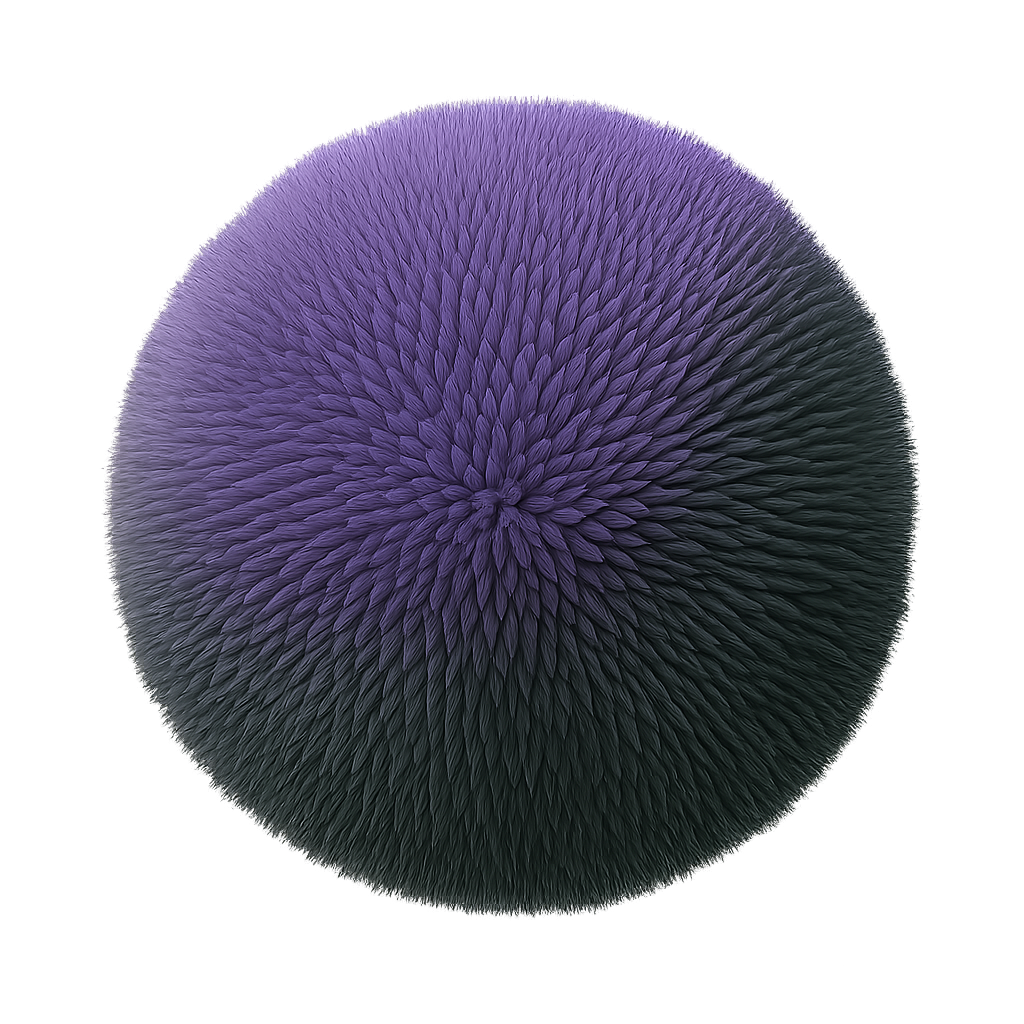
PLGA nanoparticles are polymer-based delivery systems made from poly(lactic-co-glycolic acid), a biodegradable polymer used in drug delivery. They can incorporate therapeutic compounds within a polymeric matrix, helping to protect the payload and control its release.
Their properties can be adjusted by selecting the polymer composition and tailoring the particle’s size and surface. This flexibility makes PLGA a useful platform for exploring different payloads and delivery requirements.
At Curapath, we combine polymer chemistry with nanoparticle formulation expertise. We work with PLGA and modified PLGA systems, including polymers modified in-house to support the needs of each project.
PLGA and modified PLGA nanoparticle systems
PLGA nanoparticles can be developed using different polymer designs to meet the needs of each application. At Curapath, we work with PLGA and modified PLGA systems, combining in-house polymer modification with nanoparticle formulation expertise.
PLGA nanoparticles
PLGA provides a biodegradable polymer matrix that can be used to incorporate therapeutic payloads. Its composition and particle properties can be adjusted when developing a formulation for a particular application.
PLGA-PEG nanoparticles
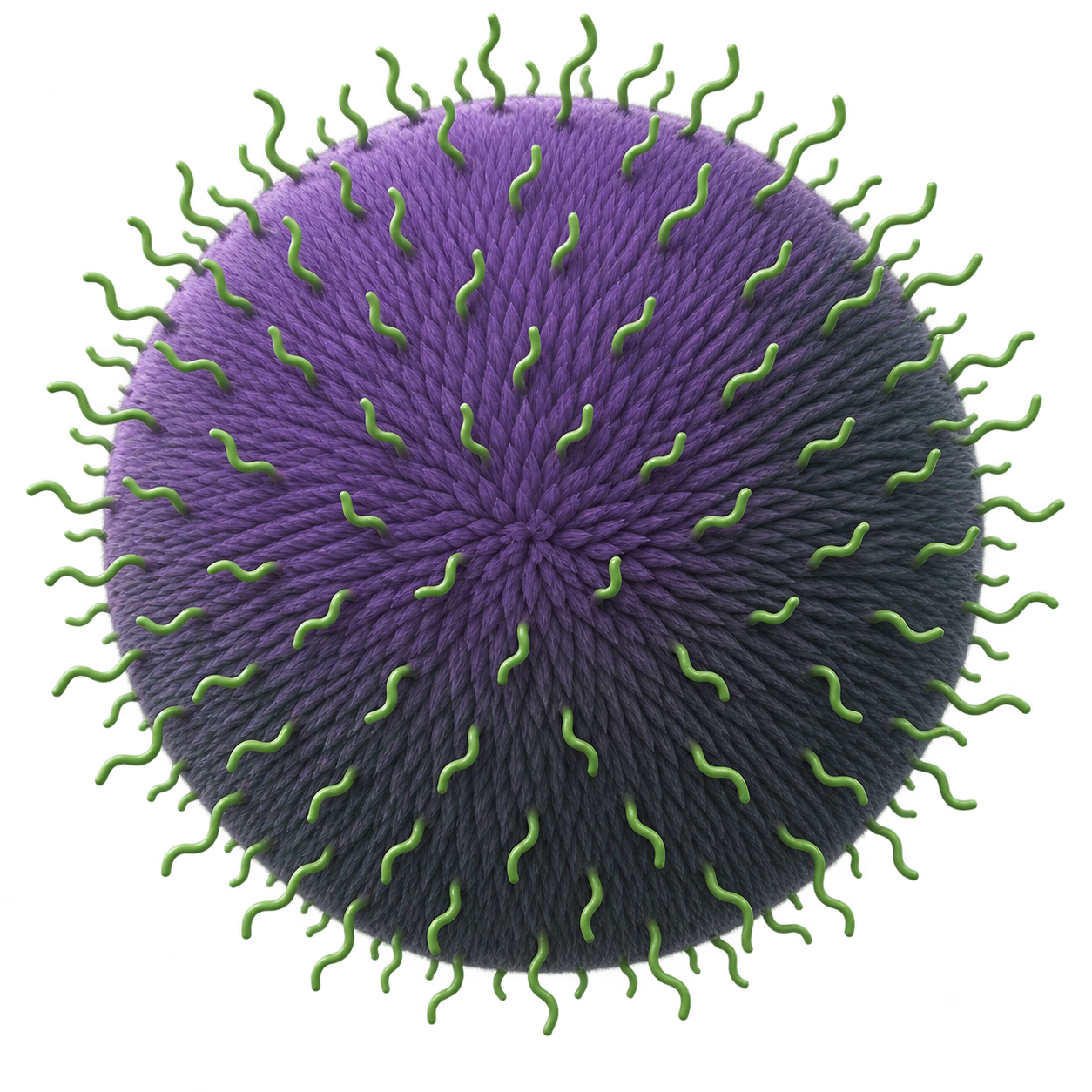
Combining PLGA with polyethylene glycol (PEG) introduces hydrophilic polymer chains into the system. This approach can be explored to modify nanoparticle surface properties and support formulation stability.
PLGA–Mannosamine nanoparticles
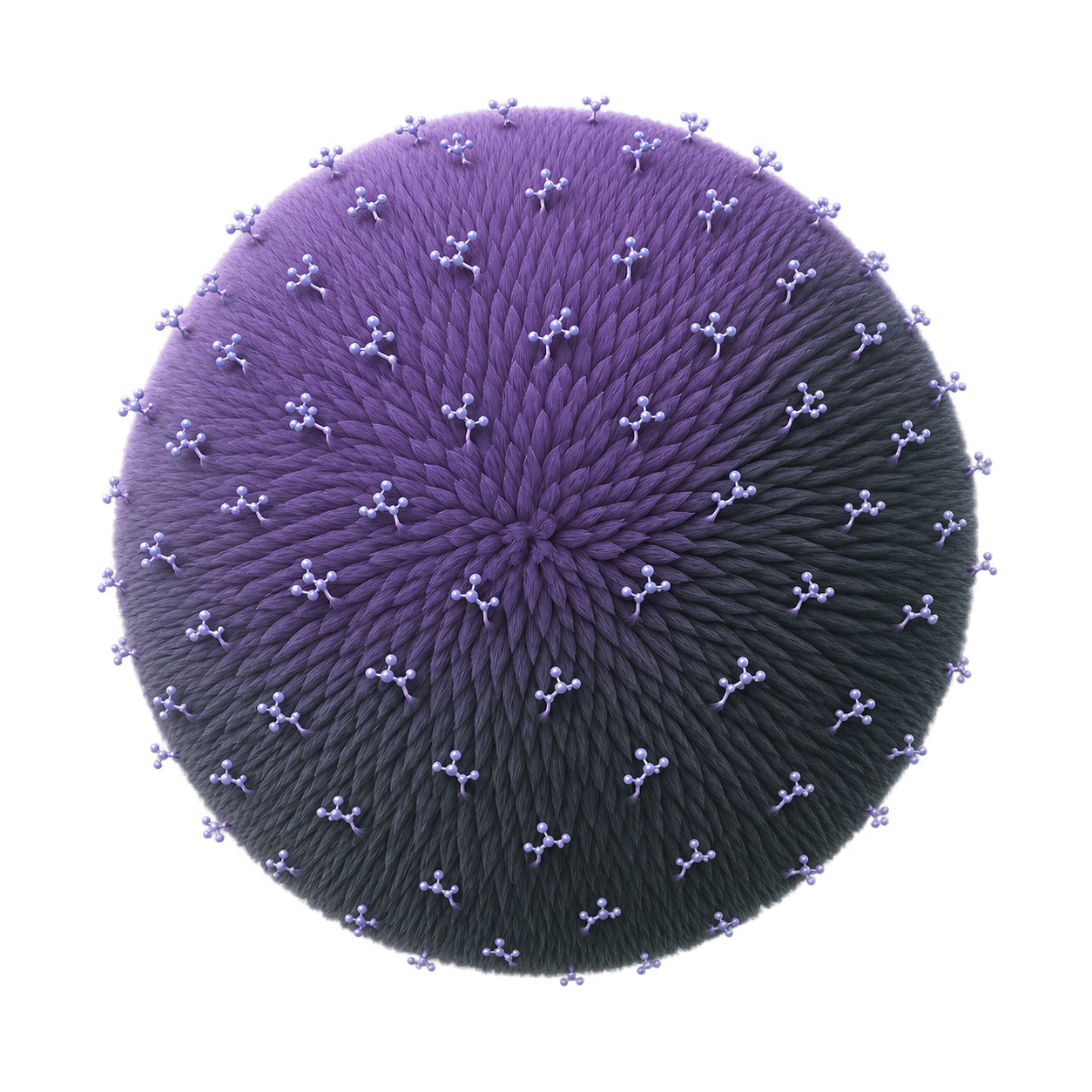
PLGA can also be modified with mannosamine to introduce additional functionality into the polymer system. This approach can be explored as part of a nanoparticle design tailored to specific project requirements.
In-house polymer modification
By modifying PLGA in-house, we can explore different polymer chemistries and connect material design with nanoparticle formulation and characterisation.
From polymer design to PLGA nanoparticle manufacturing
From polymer selection to nanoparticle formulation and process development, Curapath supports PLGA programs with an integrated approach. We combine polymer chemistry, formulation and analytical expertise to develop systems with their next stages in mind.
 STEP 01
Polymer selection & modification
We help select the PLGA material based on the payload and the objectives of the project. When required, our team can also modify PLGA in-house to introduce additional functionalities or explore different polymer designs.
 STEP 02
Nanoparticle formulation & optimisation
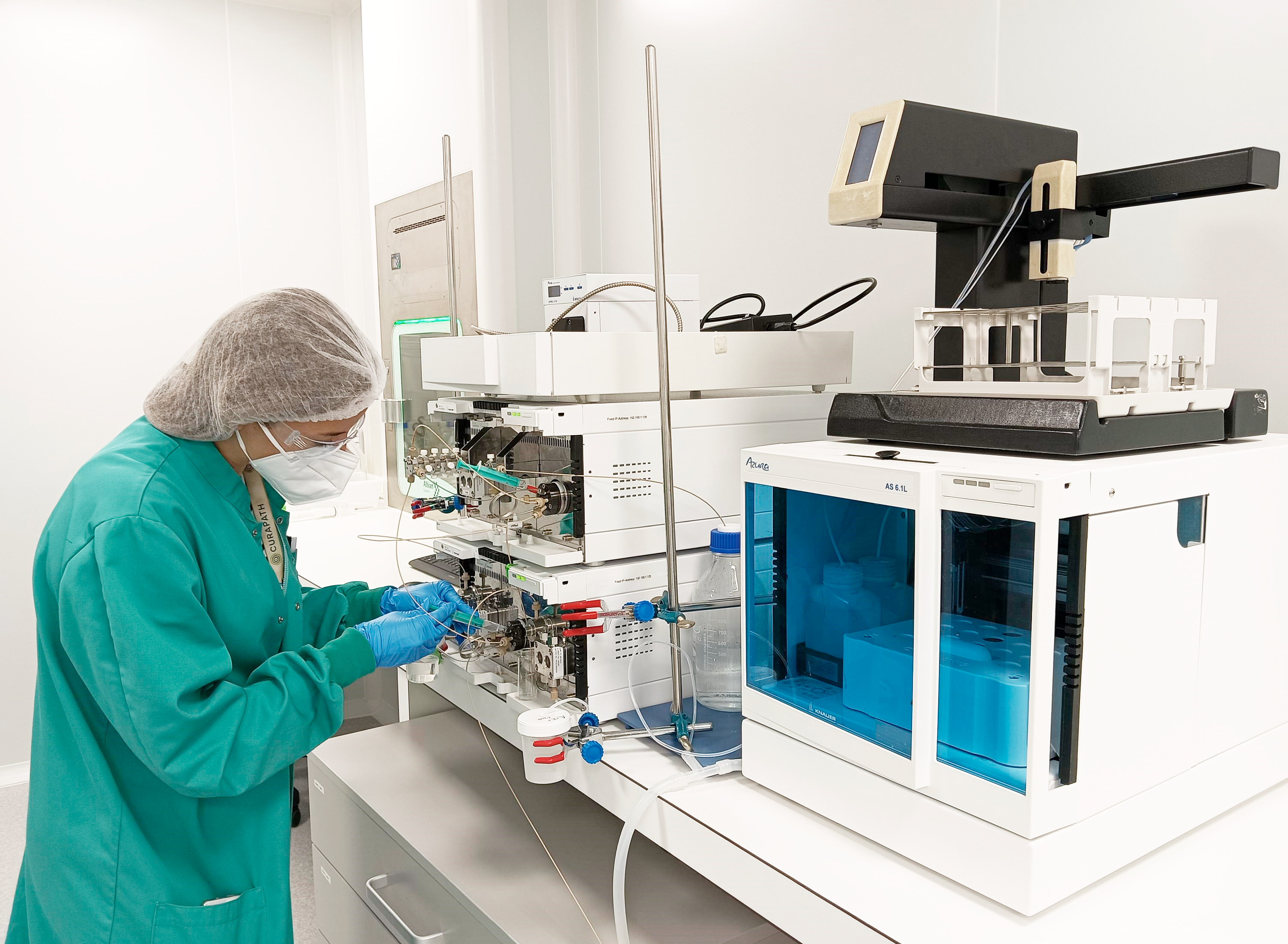
We develop and optimise PLGA nanoparticle formulations around the properties of the payload and the desired particle characteristics. Depending on the project, this can include exploring formulation parameters, payload incorporation and release behaviour.
 STEP 03
Analytical characterisation
We characterise the polymer and nanoparticle formulation to understand their properties and performance. Depending on project requirements, this can include particle size and distribution, payload loading, release profile and stability.
 STEP 04
Process development & manufacturing
With the next stages of development in mind, we work on process reproducibility and scale-up. Our manufacturing and quality expertise can support projects as they move towards later-stage development and production, according to their specific requirements.
Step 1 of 4: Polymer selection and modification